
0 %
StageEvolv

B2B & B2C Exhibitions

B2B & B2C Exhibitions

Overview

B2B and B2C exhibitions need fundamentally different production approaches because the visitor mindset is different. Stage Evolv Exp designs exhibition presence and engagement strategy tailored to whether the audience is buying for a business or buying for themselves. 
 

Description

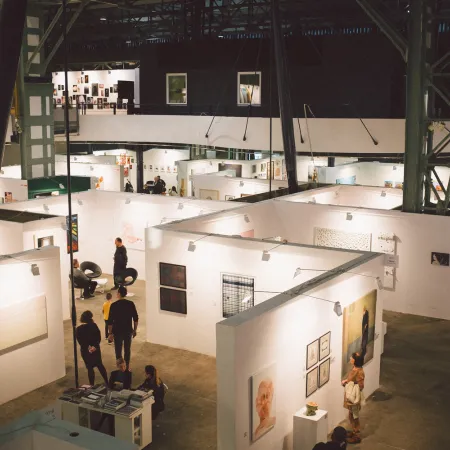
B2B and B2C exhibitions look similar on paper, both involve stalls, visitor footfall, and brand presence, but the actual visitor behavior and what makes an exhibition successful differ sharply between the two. Stage Evolv Exp designs exhibition production specific to which audience a client is targeting, since a stall that wins over B2C consumers rarely works the same way for B2B decision makers, and vice versa.

For B2B exhibitions, visitors are typically evaluating solutions on behalf of their organization, often with specific technical or commercial questions in mind. We design layouts that support substantive conversations, including private or semi private meeting areas, zones for specialized Virtual Exhibitions & Trade Shows, and clear information displays that help a business visitor quickly assess relevance before committing time to a detailed conversation. Lead capture and qualification processes are built into the stall design and staff briefing, since B2B exhibitions are judged heavily on the quality of leads generated, not just footfall numbers.

For B2C exhibitions, visitor behavior is driven more by immediate interest, experience, and impulse, and we design stalls that prioritize visual impact, Product Sampling & Demonstration, and an inviting, easy to browse layout that encourages footfall to actually stop rather than walk past. Engagement activities, contests, or live demonstrations often play a bigger role in B2C exhibition stalls than they would in a B2B context, since consumer attention spans at a crowded exhibition are short and competitive.

Visitor flow planning differs accordingly. B2B exhibition layouts often benefit from slightly more structured, less crowded approaches that allow meaningful conversation time per visitor, while B2C exhibitions are designed to maximize footfall and visible activity, which is also essential for dynamic outdoor campaigns like Road Shows & Mall Activations, since a busy, popular looking stall draws more consumer interest in a crowded hall.

Staffing and engagement training also differ, and we advise and coordinate stall staff briefing tailored to the audience, business focused conversation training for B2B stalls, and high energy customer engagement approaches for B2C activations. To support this, comprehensive Events Logistics & Coordinations are seamlessly integrated into our execution plan.

Stage Evolv Exp manages B2B and B2C exhibition participation with this distinction built into every design and operational decision. From the initial Stall Design & Fabrications through engagement strategy, we ensure exhibition investment is structured around how the actual target audience behaves on the show floor, not a generic exhibition template applied regardless of who is walking through.

FAQs

The right exhibition format depends on your business objectives, target audience, product category, budget, and expected visitor engagement. A professional exhibition management company evaluates factors such as venue, booth size, customer journey, lead generation goals, and branding requirements before recommending a customized exhibition strategy that delivers measurable business outcomes.
An effective exhibition booth combines strategic layout planning, attractive visual branding, interactive experiences, proper lighting, digital displays, and clear messaging. Features such as product demonstrations, live engagement zones, and comfortable meeting spaces encourage visitors to spend more time at the booth and improve lead generation opportunities.
Most successful exhibitions are planned between three and six months before the event. Early planning allows sufficient time for booth design, fabrication, approvals, logistics, branding, marketing materials, and technical setup. Larger national or international exhibitions may require even longer preparation timelines.
Complete exhibition management typically includes concept development, booth design, fabrication, branding, venue coordination, electrical planning, audiovisual setup, logistics, installation, dismantling, project management, and on-site technical support. Working with a single partner ensures better coordination and execution throughout the event.
Exhibition success can be measured through qualified leads generated, visitor engagement, product demonstrations, sales inquiries, customer feedback, media exposure, brand visibility, and return on investment (ROI). Setting clear objectives before the event helps evaluate overall performance more accurately.
Custom exhibition stands are designed specifically around a company's branding, products, and visitor experience, helping businesses create a stronger visual impact and stand out from competitors. Modular booths are cost-effective and reusable, making them suitable for brands participating in multiple exhibitions with standard space requirements.
The overall exhibition budget depends on booth size, design complexity, fabrication materials, venue regulations, lighting, LED displays, digital technology, logistics, installation, branding elements, and event duration. Additional services such as hospitality areas, interactive installations, and custom structures can also influence project costs.
Professional exhibition companies assign dedicated project managers who coordinate fabrication, transportation, venue permissions, installation schedules, vendor management, technical testing, and dismantling. Detailed planning and contingency management help minimize delays and ensure the exhibition runs without operational issues.
Modern exhibitions increasingly incorporate immersive LED displays, interactive touchscreens, augmented reality (AR), virtual reality (VR), AI-powered visitor engagement, sustainable booth materials, digital lead capture systems, and experiential brand activations. These technologies create memorable visitor experiences while improving engagement and data collection.
An experienced exhibition management company brings industry knowledge, technical expertise, creative design capabilities, and proven project execution processes. From planning and fabrication to logistics and on-site management, experienced professionals help reduce risks, maintain quality standards, optimize budgets, and deliver exhibitions that strengthen brand visibility and business growth.

Inquire

Find Your Next Project Here