
0 %
StageEvolv

Music Festivals

Music Festivals

Overview

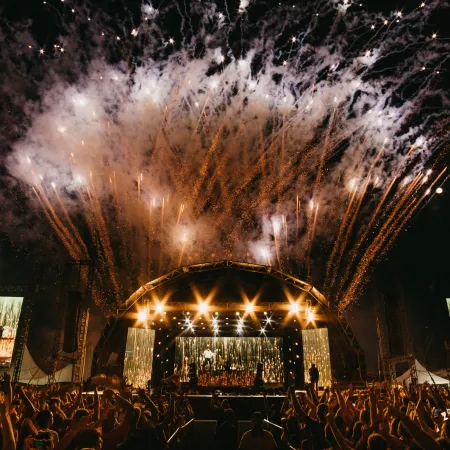
Music festivals are stage design at its most extreme multiple stages, multi day load cycles, and tens of thousands of people moving through the same site. Stage Evolv Exp engineers festival staging, rigging and crowd infrastructure built to perform across every set, every day, without compromise.

Description

Few formats test structural fabrication the way music festivals do. A festival site can run multiple stages simultaneously, each running back to back acts across several days, with weather, crowd density and continuous load in load out all working against the build. Stage Evolv Exp specialises in exactly this kind of monumental staging for Concerts & Live Shows engineering festival structures designed to hold up across a full festival run, not just look good in pre event renders.

Our festival work starts with structural design calculated for real load conditions rigging capacity for lighting and sound trusses that run for the duration of the event, including professional Truss Rental engineering, wind load engineering for outdoor sites, and platform structures built to handle continuous performer changeovers without downtime between acts. For multi stage festivals, we design each stage to its specific genre and production requirements a main stage built for headliner scale production, alongside smaller stages with faster turnaround needs for back to back sets.

Crowd infrastructure is as critical as the stage itself at festival scale barricading, sightline management, and structural separation between performance areas and crowd zones, all engineered to safely handle festival sized audiences across multiple days while supporting seamless Entertainment & Celebrity Management workflows. We also build the surrounding festival environment branded entry structures, sponsor activation zones, and signage towers using our truss and rigging capability, so the festival's commercial partners get production grade visibility rather than ground level banners.

Because festivals run continuously across multiple days, our fabrication and on site teams are structured for sustained, round the clock support structural checks between days, rapid repairs if conditions change, and a team that stays on site for the duration rather than building and leaving. We coordinate as a trusted partner with an internal or external Event Management Company, festival production companies, artist management teams and local authorities on safety compliance, since festival scale crowds typically require sign off from multiple regulatory bodies before a single stage goes live.

Stage Evolv Exp has brought monumental staging experience to music festivals, Public Festivals and large scale cultural celebrations across India, applying the same rigour we use on our biggest corporate and entertainment builds. If you're producing a music festival that needs stages and infrastructure engineered for real festival conditions not just festival aesthetics talk to our team about your event.

FAQs

Planning a successful live music event requires venue selection, audience capacity planning, stage design, sound engineering, lighting systems, artist coordination, crowd management, security, power backup, permits, and emergency response planning. A professional event management team ensures every operational detail is executed safely and efficiently for a seamless audience experience.
Professional event organizers implement comprehensive safety measures including crowd control barriers, trained security personnel, medical support, emergency evacuation plans, fire safety compliance, structural inspections, and real time communication systems. These measures help create a secure environment for attendees, performers, and event staff.
Stage production directly impacts the audience experience and artist performance. High quality staging, LED screens, lighting effects, sound systems, truss structures, and special effects ensure clear visibility, immersive entertainment, and technical reliability throughout the event.
A full service event management solution generally includes event planning, venue setup, stage fabrication, audio visual production, artist management, lighting, sound engineering, branding, registration management, security coordination, logistics, hospitality, technical support, and post event dismantling.
Most large scale entertainment events require planning at least 3 to 12 months in advance, depending on the event size, venue availability, artist bookings, government approvals, sponsorships, and production requirements. Early planning helps reduce risks and ensures smoother execution.
A reliable production company demonstrates proven experience, certified technical teams, quality equipment, safety compliance, transparent project management, contingency planning, and a portfolio of successfully executed large scale events. Strong coordination and technical expertise are essential for delivering consistent results.
Outdoor sound management involves acoustic planning, professional speaker placement, digital mixing consoles, delay towers, line array systems, real time audio monitoring, and sound checks. These techniques ensure balanced audio coverage across the venue while minimizing distortion and sound leakage.
Modern event technology enhances the guest experience through digital registration, RFID access control, cashless payment systems, mobile event apps, live streaming, interactive LED displays, drone coverage, real time event updates, and social media integration. These technologies improve convenience, engagement, and operational efficiency.
Professional event planners prepare for changing weather conditions by using weather resistant staging, waterproof electrical systems, covered production areas, drainage planning, backup power solutions, and contingency protocols. Continuous weather monitoring helps organizers respond quickly and maintain event safety.
Experienced event management companies use structured project planning, centralized communication, production schedules, technical rehearsals, vendor coordination meetings, on site supervisors, and real time monitoring to synchronize every department. This collaborative approach minimizes delays and ensures smooth event execution from setup to closing.

Inquire

Find Your Next Project Here